


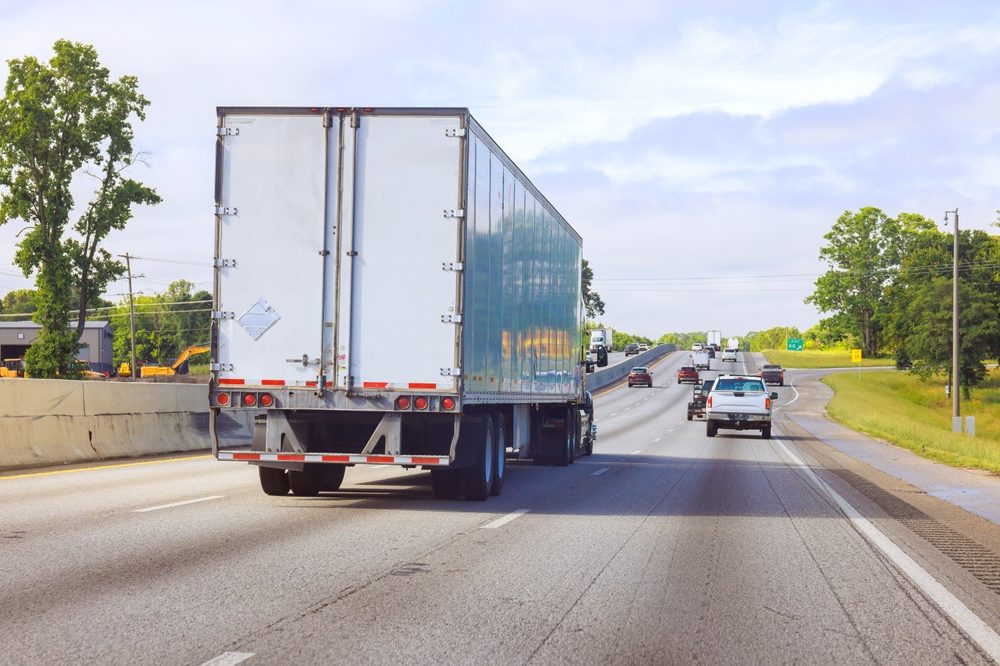
A Jake brake is an engine braking system used on many large commercial trucks to slow the vehicle without relying only on the service brakes. Instead of creating friction at the wheels, it releases compressed air from the engine cylinders to reduce speed.
While useful on steep grades, Jake brakes can pose safety risks if used improperly. Drivers and trucking companies must operate engine brakes responsibly. Jake brakes are also very loud, and local ordinances may limit their use in certain areas.
If you were injured in a crash involving a commercial truck, our Marietta car accident lawyers can examine how braking systems may have affected the collision. Our team has more than 50 years of combined legal experience. Call today for a free consultation.
How Does a Jake Brake Work?
A Jake brake changes the engine’s valve timing during deceleration. As the piston compresses air inside the cylinder, the brake opens the exhaust valve before that compressed air can force the piston back down. The engine absorbs energy instead of producing it.
The system works only on diesel engines that can use compression release braking. It does not replace the truck’s main braking system. Drivers must still use the service brakes to stop the vehicle completely.
Many trucks allow drivers to select different engine braking levels. Higher settings create stronger braking force. Drivers should match those settings to road conditions, traffic, and the weight of the trailer.
Why Do Large Trucks Need Jake Brakes?
Commercial trucks are much heavier than passenger vehicles. When they go down long hills, their brakes can overheat if they rely on braking alone. Using engine braking helps control speed and reduces heat in the braking system.
Lower brake temperatures reduce the chance of brake fade during extended descents. Brake fade occurs when overheated brakes lose stopping power. Engine braking helps reduce that risk when used correctly.
Drivers often use engine braking along with lower gears when going down steep hills. This practice helps them control their speed during the descent instead of just using the brakes repeatedly.
Are Jake Brakes Regulated?
Jake brakes are regulated through a combination of federal safety requirements and state or local laws. Federal Motor Carrier Safety Administration regulations require commercial trucks to meet inspection and maintenance standards, including those that affect braking systems.
Signs that say “No Jake Brake” or “Engine Brake Prohibited” are often seen in residential areas. These signs usually mean that loud or unmuffled engine brakes are not allowed, but they do not ban engine braking entirely.
Truck drivers must also use Jake brakes safely based on road conditions and traffic. Improper use on slippery roads may reduce traction and contribute to a crash. After an accident, investigators may review how the engine brake was used and whether it was properly maintained.
Can Improper Jake Brake Use Cause Truck Accidents?
Improper use of a Jake brake may contribute to a crash under certain conditions. Strong engine braking can reduce traction on slippery pavement if the driver activates it aggressively. Rain, ice, or loose gravel increase the risk of an accident.
Drivers need to adjust their braking based on road conditions. Heavy trucks need more distance to stop than smaller vehicles. Poor judgment or careless use of engine braking can lead to loss of control or accidents.
Accident investigations often examine driver actions before impact. Investigators may review electronic data, witness statements, and vehicle inspections to determine how braking affected the crash.
What Maintenance Problems Can Affect Jake Brakes?
Jake brakes have mechanical and electronic parts that need regular inspections. If parts are worn, wiring is damaged, or valves have issues, the braking performance may decrease, or the system might not work properly.
Commercial trucking companies must keep their vehicles in line with federal safety standards. Maintenance records should show when inspections happened, what repairs were made, and any ongoing problems with the braking systems.
Poor maintenance can become important after a truck crash. Investigators often look at inspection records and compare them with the truck’s actual condition to see if mechanical issues caused the accident.
Who Is Responsible for a Jake Brake Accident?
Responsibility depends on the facts of the collision. Truck accident cases often involve several parties and detailed technical evidence.
- A truck driver may be responsible if improper engine brake use contributed to the crash.
- A trucking company may also share responsibility if it failed to maintain braking equipment or train its drivers properly.
- A maintenance provider may become involved if repair work was performed incorrectly.
- A manufacturer may also face claims if a defective engine brake component contributed to the collision.
Determining responsibility requires a careful review of inspection records, repair history, electronic data, and witness accounts.
Get Help If You’ve Been in a Truck Accident
A Jake brake is a system that aids in engine braking for large trucks. It helps decelerate the vehicle safely without excessive stress on the service brakes. While useful, they are not without issues and rely on proper use by the truck driver.
A truck crash involving a Jake brake may involve questions about engine braking, brake maintenance, driver conduct, and commercial trucking regulations. Finding the cause often requires reviewing technical records and examining how the truck operated before the collision.
At Jones & Swanson, we have recovered more than $50 million in settlements for our clients. Call us today for a free consultation to discuss your case and find out how we may assist you.