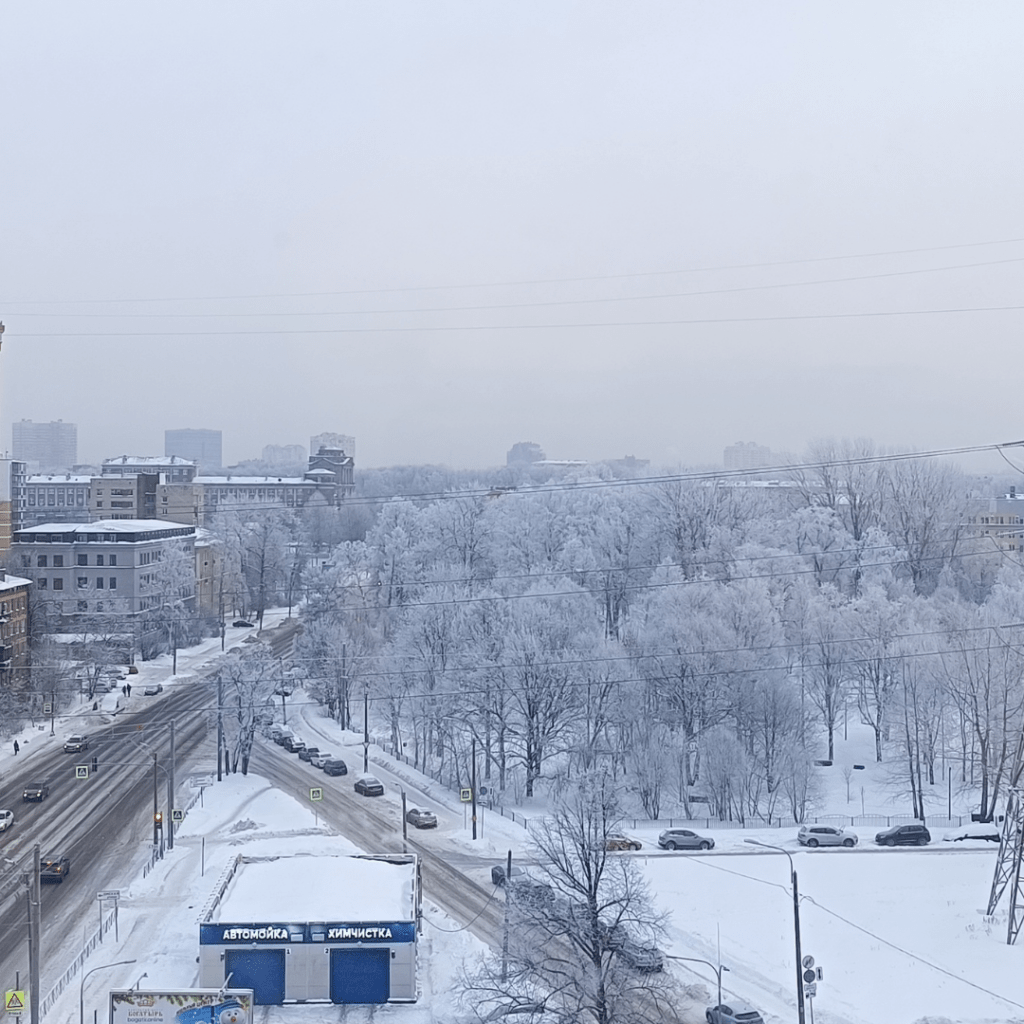
With another Arctic blast on its way through metro Atlanta and a chance of snow, now is the time to prep yourself to ensure the safety of yourself and those around you.
What’s happening in Georgia?
This past week, a bitter Arctic blast swept through the south, bringing single-digit wind chills and freezing many major roadways. While some days this week will reach above-freezing temperatures, the issue is the drastic below-freezing temperatures that occur throughout the night, which solidify moisture-filled streets again. This has caused significant power outages, frozen and bursting pipes, as well as very hazardous traveling conditions.
Georgia is expected to see colder air arriving late Friday, Jan. 30th. The National Weather Service is anticipating low temperatures in the teens and single digits in some parts of Georgia for the next week.
It’s important to note that our infrastructure struggles at times to handle prolonged and below-freezing temperatures, as it is not designed in the same way as northern states are. It often lacks adequate road preparation, drivers experienced in icy conditions, and vehicles that are equipped for winter weather. Because of this, we see a surge in rear-end collisions, multi-vehicle pileups, and spin-outs or run-off-road crashes. This is why it is important to take the necessary steps towards preparing yourself for the cold.
How do I prepare for an Arctic Blast?
Prepare ahead and Avoid Driving If You Can
The safest choice during icy conditions is not driving at all. If you can work remotely or delay travel, do it. Many winter accidents happen simply because drivers underestimate how bad the roads really are. We know many people think it’s silly to stock up on bread and milk before a major storm, but you never know how bad it can get outside until it has already happened.
Prepare Your Vehicle for Winter Conditions
Before the temperatures drop, you must make sure your vehicle is in running shape.
- Check tire tread and pressure (cold air lowers tire pressure).
- Test your battery, as cold kills weak batteries. You can have this done for free at many auto-hobby shops, battery shops, or mechanics. Your vehicle may also be equipped with a battery monitoring system indicator, or you may use a multimeter(you may see this called a “car battery tester”).
- Top off windshield washer fluid (use winter-rated fluid).
- Make sure the brakes are in good condition and have an adequate amount of padding.
Any mechanical failure in freezing temperatures can quickly turn into a dangerous situation; that’s why having your car inspected when maintenance is due is important.
Clear ALL Ice and Snow from Your Car
Driving with ice or snow on your car isn’t just unsafe; it can be dangerous to other drivers.
- Clear all windows, mirrors, headlights, and taillights.
- Remove ice from your roof (it can slide forward and block your windshield when braking).
- Flying ice can cause accidents, and you may be held responsible.
While driving, how can I avoid an accident due to ice?
Slow Down Much More Than You Think
Speed limits are designed for ideal conditions. That’s why, on icy roads, you must drive well below the speed limit. Accelerate and brake gently, avoid taking abrupt stops. Take turns slowly to avoid sliding. The majority of accidents happen because someone was driving too quickly.
Increase Following Distance
On ice, stopping distances can triple or quadruple. Leave at least 8–10 seconds between you and the car ahead. Be especially cautious at intersections, do not go immediately when the light turns green, and look both ways to make sure intersecting traffic has stopped.
Rear-end collisions are among the most common vehicle crashes in the winter, and they often result in injuries.
Watch for Black Ice
Black ice is nearly invisible and extremely dangerous. It appears as a thin, nearly invisible layer of transparent ice that looks like a dark, glossy, or wet-looking glaze
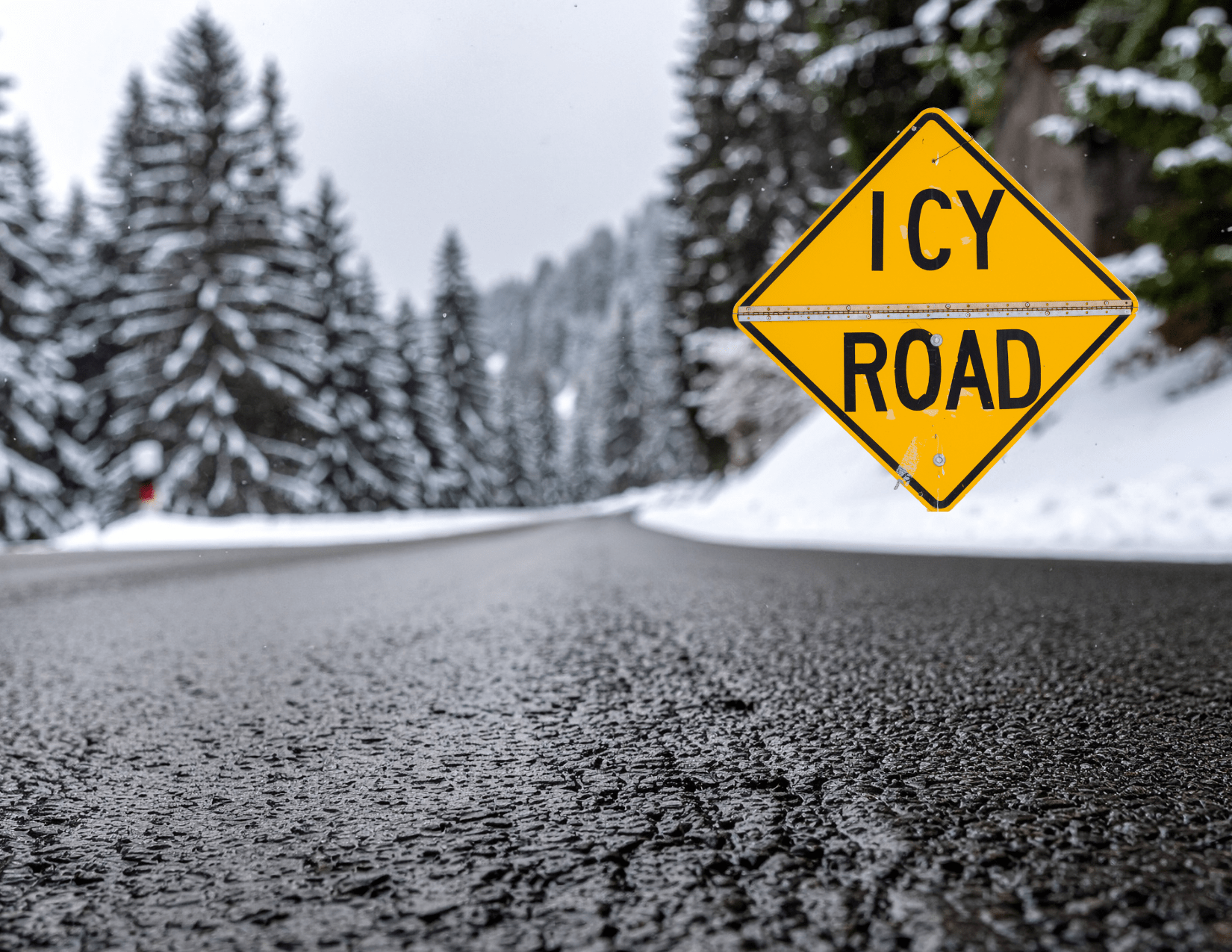
Be alert when driving to avoid black ice:
- Early in the morning or late at night.
- On bridges and overpasses.
- Near water or shaded areas.
If you hit black ice:
- Do not slam on the brakes.
- Ease off the accelerator.
- Steer gently in the direction you want the car to go.
If You’re Involved in a Car Accident During an Arctic Blast
Even careful drivers can’t control what others do. If you’re involved in a winter-weather crash:
Prioritize Safety First
Move to a safe location if possible, and turn on your vehicle’s hazard lights. Stay in your vehicle if it’s unsafe to stand outside.
Call 911 Even for Minor Accidents
Winter accidents often cause hidden injuries and property damage, which is why police reports are crucial for insurance and legal claims. Emergency responders can also assess injuries and road hazards and determine if you are in need of further care.
Document Everything
Take photos of vehicle damage, road conditions, and ice. Get contact information from witnesses. Note weather conditions and time of day(this will also be on a police report). Road conditions matter when determining fault and liability.
Be Careful What You Say
Statements made at the scene can be used later by insurance companies to deny or reduce claims. If you are unsure of a situation, do not guess or feel pressured to say something blindly. Not knowing every detail does NOT automatically hurt your claim. What matters most is how you handle the situation afterward.
In many cases, fault is determined later based on:
- Vehicle damage patterns
- Road conditions
- Witness statements
- Police findings
- Traffic laws
You don’t have to solve this yourself; that’s what investigations are for. The team at Jones & Swanson is highly experienced in handling a variety of auto accident claims and can assist you when you aren’t sure.
Winter Weather Doesn’t Excuse Negligent Driving
While icy conditions are dangerous, drivers are still expected to:
- Adjust speed for conditions
- Maintain control of their vehicles
- Drive responsibly
If someone causes an accident by driving too fast, following too closely, or failing to maintain their vehicle, they may still be legally responsible, even during a winter event.
When it’s Icy in Georgia, how slow am I supposed to drive?
It is recommended that you stay below 45 mph even on highways, more specifically, a 3rd or half of what is posted. Increase your following distance to 8–10 seconds, avoid using cruise control, and use a low gear.
Does icy weather excuse a driver from responsibility for an accident?
No. Drivers are still expected to adjust their speed, following distance, and driving behavior based on conditions. Losing control due to speeding, tailgating, or careless driving may still result in liability even during severe weather.
AM I ELIGIBLE FOR COMPENSATION IF I AM INJURED Due to a rear-end accident from black ice?
You may be eligible for compensation; only an experienced attorney can assess your situation. You can speak with one of our attorneys for a free consultation at any day, any hour at (770) 270-3241.
Stay Safe, Stay Prepared
An Arctic blast in Georgia can turn everyday roads into accident hotspots. Preparing your vehicle, adjusting your driving habits, and knowing what to do after a crash can make a big difference.
Jones & Swanson Is A Personal Injury Law Firm Located In Marietta and Cartersville, Georgia. If You Or Someone You Know Has Been In A Car Accident, Slip And Fall, Or Dog Bite, Seek Immediate Medical Assistance, Then Give Us A Call At (770) 270-3241 or contact Us On Awjlaw.com for A Free Consultation To Find Out The Next Steps You May Want To Take.
Categories: Auto Accidents, Car Accident, Catastrophic Injuries, Defensive Driving, Rollover Accidents, Safety Tips