If you feel like you’re seeing a new vehicle recall being published every other week, you are not alone. Over the past year, car companies have announced recalls affecting tens of millions of vehicles across almost every major brand, including Ford, Honda, Hyundai, Jeep, Chrysler, Kia, Toyota, Tesla, General Motors, and more. From fire risks and brake failures to software glitches, the list keeps growing, and it has become impossible to ignore all the headlines.
This recent surge in recalls is the result of several factors, and keeping yourself up to date is important for keeping yourself and others safe on the road.
How Many Vehicles Have Been Recalled in 2026?
According to the National Highway Traffic Safety Administration (NHTSA) and industry recall tracking reports, in the first three months of 2026, roughly 11.6 to 12.1 million vehicles were recalled in the United States, one of the highest volumes in recent years.
Just in the past several weeks, major manufacturers have announced:
- 4,380,609 Ford trucks and vehicles were recalled over a software glitch in the towing technology, increasing crash risk during towing.
- 1,076,999 Jeep Wrangler and Gladiator vehicles recalled because of fire risks tied to power steering wiring.
- 880,514 Honda SUVs and trucks recalled over rapidly rusting suspension frames.
- 421,078 Hyundai vehicles were recalled over a software issue that could trigger emergency braking without warning.
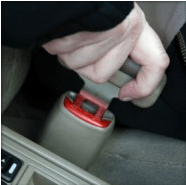
- 6,264 Kia vehicles recalled due to defective seat belts.
Why Are There Suddenly So Many Vehicle Recalls?
Cars are now being made with dozens of electronic control modules, advanced driver-assistance systems (ADAS), radar sensors, backup cameras, wireless connectivity features, and millions of lines of software code. This increase in technology means more opportunities for software to fail. Software and electronic defects have become the leading categories of recalls. Most of these issues did not exist in the past, so recalls were rarer than they now seem.
Some newer technologies that have seen frequent recalls:
- Backup camera failures.
- Emergency braking software that activates without warning.
- Safety instrument failures.
- Electrical shorts that create fire risks.
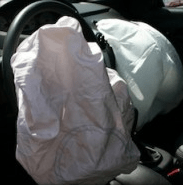
The increasing complexity of cars has left room for more malfunctions. Any sort of “automated” technology relies on flawless code, which is often difficult to achieve. Even airbags were not standard until 25 years ago. This rapid innovation leaves more room for error. Overall, cars are safer than ever before, and an increase in recalls is proof that major automotive companies are constantly searching to make safe cars and keep them safe.
What the NHTSA Says About Vehicle Recalls
The National Highway Traffic Safety Administration (NHTSA) is the federal agency responsible for keeping our roads safe nationwide. They ensure a recall is issued when a vehicle or piece of equipment has a safety-related defect and doesn’t meet federal safety standards. Manufacturers are required to notify owners and fix the problem at no charge. The NHTSA can also order a recall if a manufacturer refuses to recognize the defect. Their website is the easiest way to check whether your vehicle has been recalled using their License plate or VIN search tool.
What to do if your vehicle is recalled
Check your car’s VIN. The fastest way to find out if your vehicle has any open recalls is to visit www.nhtsa.gov/recalls and enter your 17-digit Vehicle Identification Number. Your VIN can be found on the frame of your driver’s-side door and on your dashboard near the windshield.
If your vehicle is affected:
- Stop driving it if the defect carries a serious safety risk. Fire hazards, brake failures, and steering defects should be taken seriously.
- Contact your dealership. Recall repairs are legally required to be fixed for free. Manufacturers are required to provide a free remedy, which may include repairs, replacement parts, labor costs, and software updates.
- You do not need a physical letter confirming a recall to get your car fixed. Recall notices are typically mailed to registered owners, but you do not need to wait for the letter; you can quickly check using your VIN, and that is enough confirmation for maintenance.
For extra caution, you should check your VIN periodically, even if you haven’t received a notice. Not all owners of recalled cars are notified at the same time, and you can take the initiative to check yourself as soon as a recall is published.
What happens if I am injured due to a recalled vehicle?
If you received a notice of a recall by mail and failed to bring your car in for repair, the manufacturer can argue that you contributed to your own injuries by neglecting to have your vehicle repaired. However, a recall notice does not automatically protect the car company from legal liability, especially when injuries occur before the recall is issued or if the owner was never properly notified.
After your accident, it is important to preserve the evidence to prove the fault of the manufacturer. Do not authorize repairs or allow the vehicle to be destroyed.
When a defect contributes to a crash that injures someone, a personal injury lawyer can file a claim based on:
- Negligent design, where the vehicle was designed in a way that created a safety risk.
- Manufacturing defects, where the car part did not meet its own design specifications.
- Failure to warn, where the manufacturer knew about a defect and did not warn the driver.
- Product liability, with a claim against the manufacturer.
These cases are often complicated. Manufacturers and their insurance carriers have legal teams working to limit their liability, which is why having an experienced personal injury attorney like Jones & Swanson can make all the difference in the outcome of a claim.
FAQs
What is the largest recall this year?
As of June 2026, the largest recall comes from Ford, including over 4.3 million trucks and SUVs. The recall includes the F-150, F-Series Super Duty, Maverick, Expedition, and Lincoln Navigator. The issue stems from a software glitch in the Integrated Trailer Module that can cause trailer brake lights, turn signals, or brakes to stop working during towing, which can be a serious safety risk.
Ford is fixing it for free with an over-the-air software update, but you can also take it to a dealership to be fixed. To contact Ford, you can call 1-866-436-7332.
Do I have to pay for a recall to be fixed?
No, recall repairs are always free. When a manufacturer issues a recall, they’re legally required to fix the defect at no cost to the driver, whether that means repairing the vehicle, replacing a part, or, at times, offering a full refund. Just contact your dealership and let them know about the recall, and they will take care of it.
How do I find out if my vehicle has been recalled?
You can find out about your vehicle’s recall status using the NHTSA VIN search tool. Just find your VIN on the inside frame of the driver’s side door and type it in. You may also receive a physical recall notice in the mail from the manufacturer.
Jones & Swanson will represent you in a recall accident
With more than 50 years of combined experience among our attorneys, you can trust that Jones & Swanson has the knowledge and skill necessary to handle any personal injury case. Should you become our client, know that we will be absolutely dedicated to you and your case so that you get the financial compensation that you need and deserve.
Jones & Swanson Is A Personal Injury Law Firm Located In Marietta and Cartersville, Georgia. If you or someone You Know Has Been injured or unprotected as a result of a recall, Seek Immediate Medical Assistance, Then Give Us A Call At (770) 270-3241 or contact Us On Awjlaw.com for A Free Consultation To Find Out The Next Steps You May Want To Take.
Categories: Auto Accidents, Automobile Defects, Automobile Recall, Car Accident, Catastrophic Injuries, Defective Products, FAQ, Personal Injury, Product Liability, Product Recall, Recalls, Safety Tips